What is a medical device? Everything you need to know
Some of the products in the Tech Guide are categorised as medical devices – here’s what that means
Medical devices have the potential to be life-changing when it comes to managing the day-to-day symptoms of Parkinson’s. But, what is a medical device and how are they classified?
What is a medical device?
A medical device is “a healthcare product or piece of equipment that a person uses for a medical purpose”. The term was defined by the Medicines and Healthcare products Regulatory Agency (MHRA), the executive agency responsible for regulating medical devices in the UK.
There are an estimated 2 million different kinds of medical devices on the world market. Common examples of medical devices include wheelchairs, blood pressure monitors and even contact lenses. Medical devices do not need to be electronic devices, though some are. It’s also worth noting that medicines and drugs are not typically considered medical devices.
“Medical devices can diagnose, monitor or treat disease and help people with physical impairments become more independent,” explains the MHRA on its website.
How are medical devices classified?
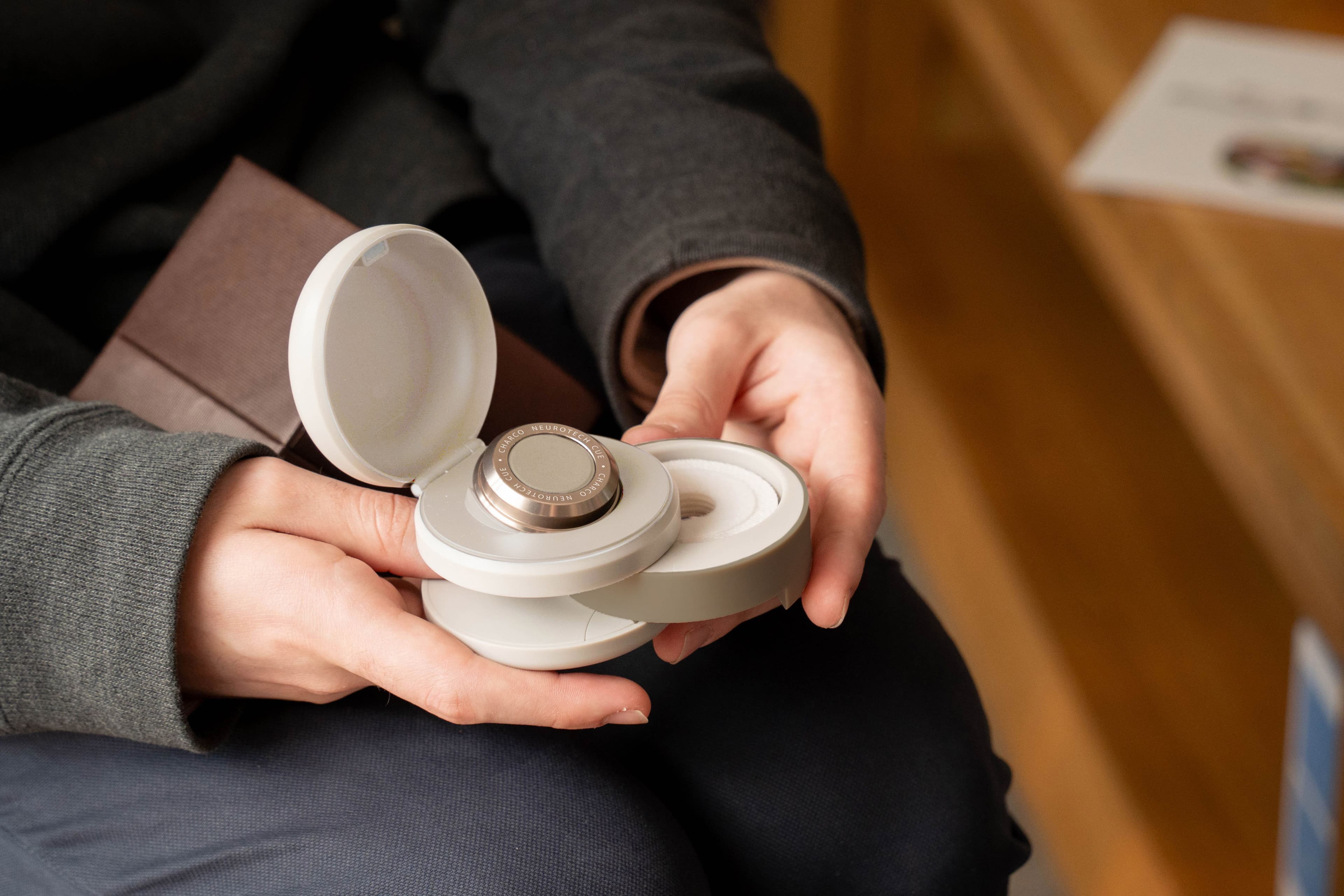
Image: Cue1+
The MHRA separates medical devices into 4 distinct classifications to indicate the amount of risk associated with each device. Higher risk devices require more extensive clinical evaluation and evidence before they can launch in the UK market. This process ensures that each device works as intended and is safe to use.
The four classifications are Class I, Class IIa, Class IIb and Class III.
- Lower risk medical devices fall under Class I classification. This category includes adhesive bandages, medicine spoons, glasses frames and syringes without needles.
- Class IIa is the second tier and includes hearing aids, short-term corrective contact lenses and suture needles.
- Class IIb is reserved for riskier devices, including surgical lasers, diagnostic X-ray technology, ventilators and apnoea monitors.
- Finally, Class III is the highest risk classification. Medical devices categorised as Class III medical devices include pacemakers, IUDs, total hip joint replacement systems and breast implants.
For more information on the classification of medical devices in the UK, you can visit the gov.uk website here.opens in new tab
Medical devices must have a CE marking, UKCA marking or CE UKNI marking by law. This mark means that, provided you use it correctly, the device will work properly and is safe. A CE marking shows that the medical device complies with the relevant EU medical device regulations and that the manufacturer has checked that the product meets EU safety, health or environmental requirements. A UKCA marking (the UK equivalent of the CE mark) shows the medical device meets the requirements of the UK medical devices regulations and, when used as intended, works properly and is acceptably safe.
Buying medical devices for personal use
Medical devices that people buy for personal use include:
- Wheelchairs and walking canes
- Thermometers
- Blood glucose meters
- Home care beds and lift chairs
- Blood pressure monitors
- Pregnancy tests
- Contact lenses and solutions
- Condoms
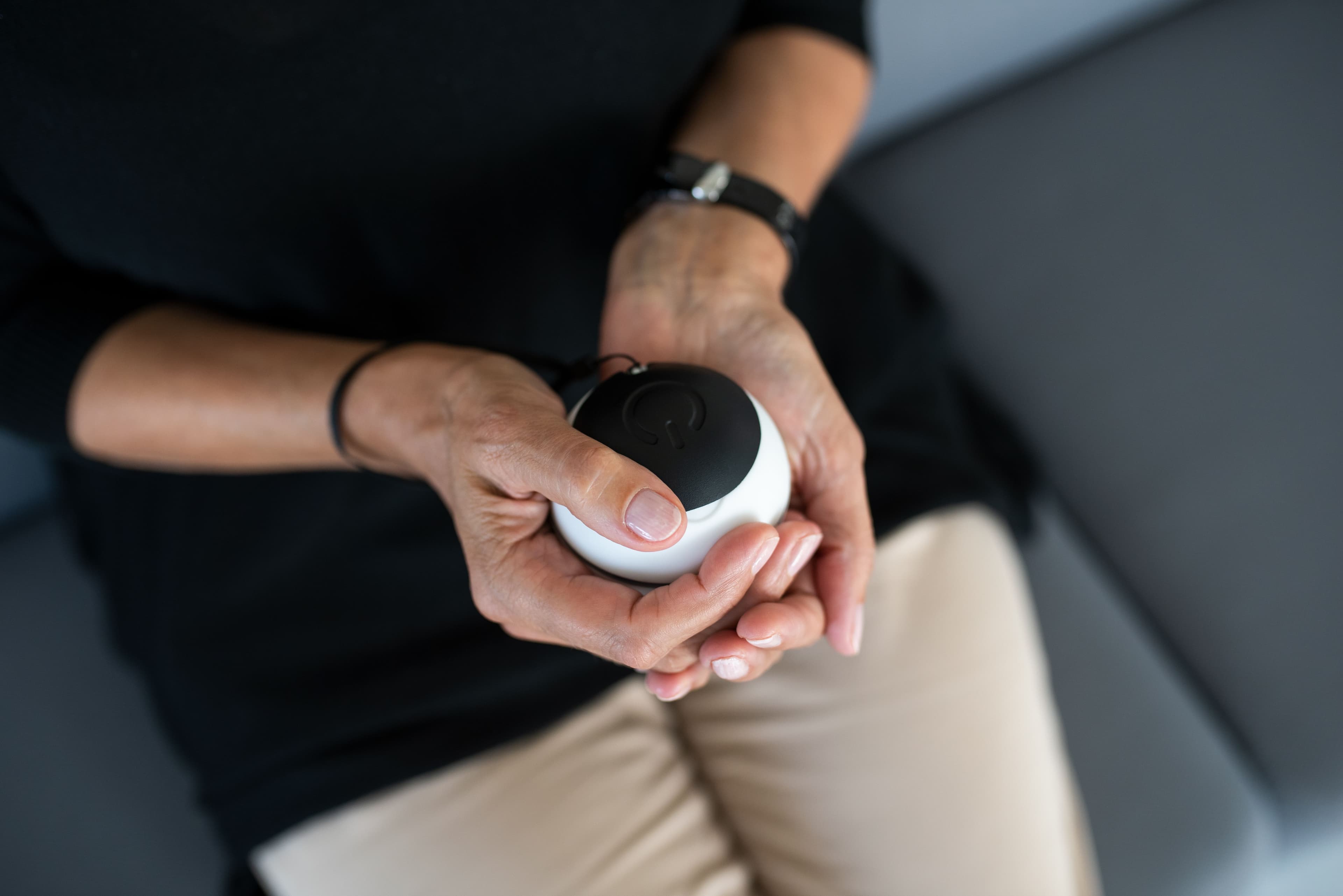
Image: Vilim Ball
Before you buy a medical device for your own use, it’s important to:
- Make sure it is suitable for your medical condition
- Check it has CE marking, UKCA marking or CE UKNI marking
- Check if the manufacturer’s address is on the device or the packaging
- Get a demonstration of how to use the device – especially if it’s a complicated device or procedure
Digital medical devices
Digital health tools can also be registered medical devices. These include:
- Patient facing apps that enable self-management or remote monitoring of medical conditions such as diabetes or depression
- Symptom checkers that offer medical advice based on information entered by a patient
- Online digital tools to assist in diagnosis
- An app that advises on insulin dose based on a diabetic patient’s blood glucose level and dietary input
- Medical calculators and algorithms
What do we mean when we say “Is it a medical device?” on our Tech Guide product pages?
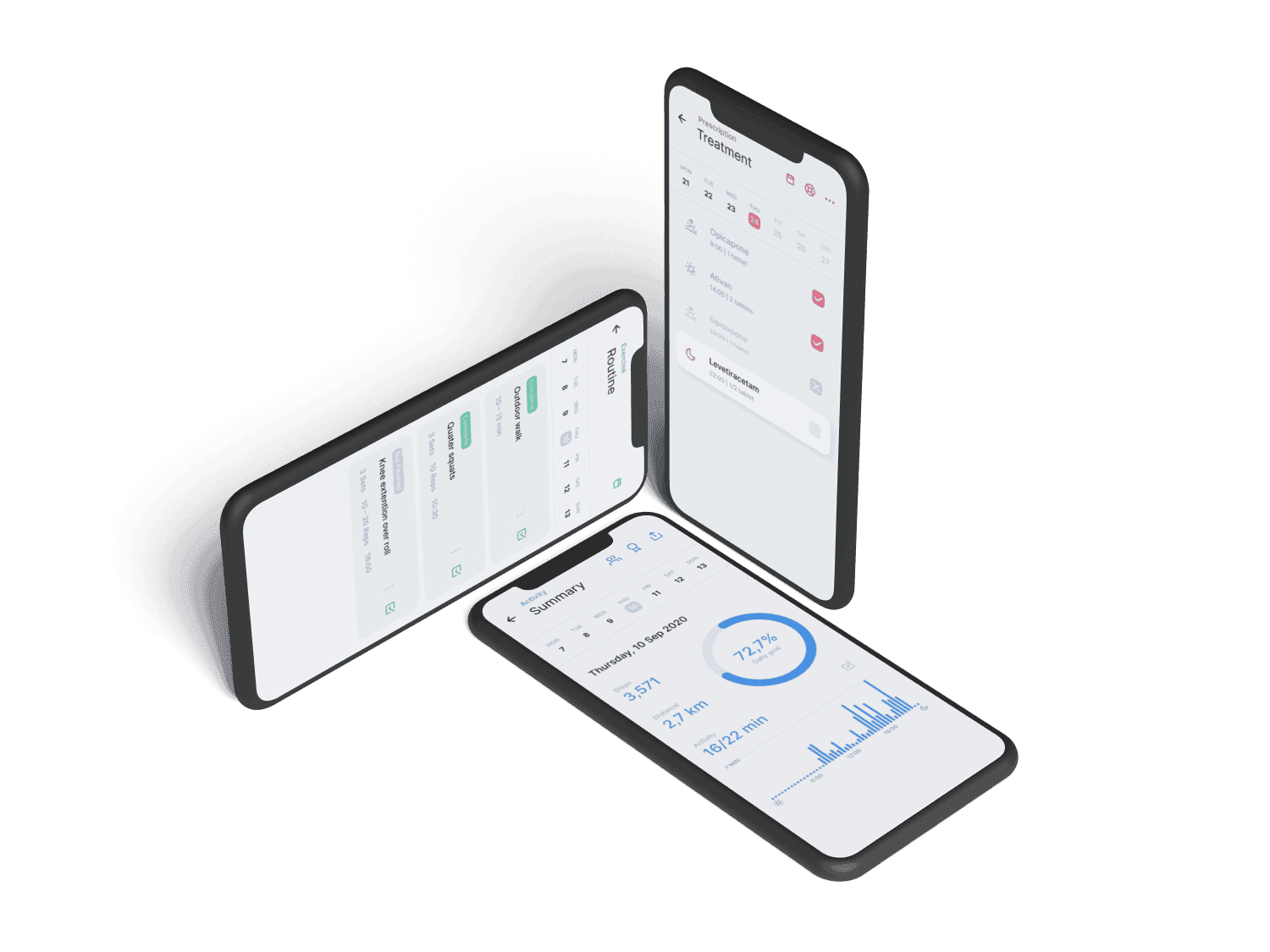
Image: mKinetikos
When we ask the question “Is it a medical device?” in our Tech Guide product listings, we’re referring to the UK definition of a medical device.
The purpose of including this information is to give our readers a clear understanding of whether that product has undergone clinical evaluation to ensure it is safe to use and works as intended. We also include the classification where available.
Not every product listed in the Tech Guide is a medical device. The MHRA outlines different criteria for medical devices and “aids for daily living”, meaning some devices could fall into the latter category. A product might also not be considered a medical device if its primary purpose is not medical, though this doesn’t mean that product can’t provide any medical benefits for people with Parkinson’s and other conditions.
All of the products featured in the above images are registered medical devices and can be found in the Tech Guide catalogue.