How can tech help you stay fit with Parkinson’s?
2.5 hours of physical activity a week can help you stay healthy for longer with Parkinson’s. Learn how tech can help.
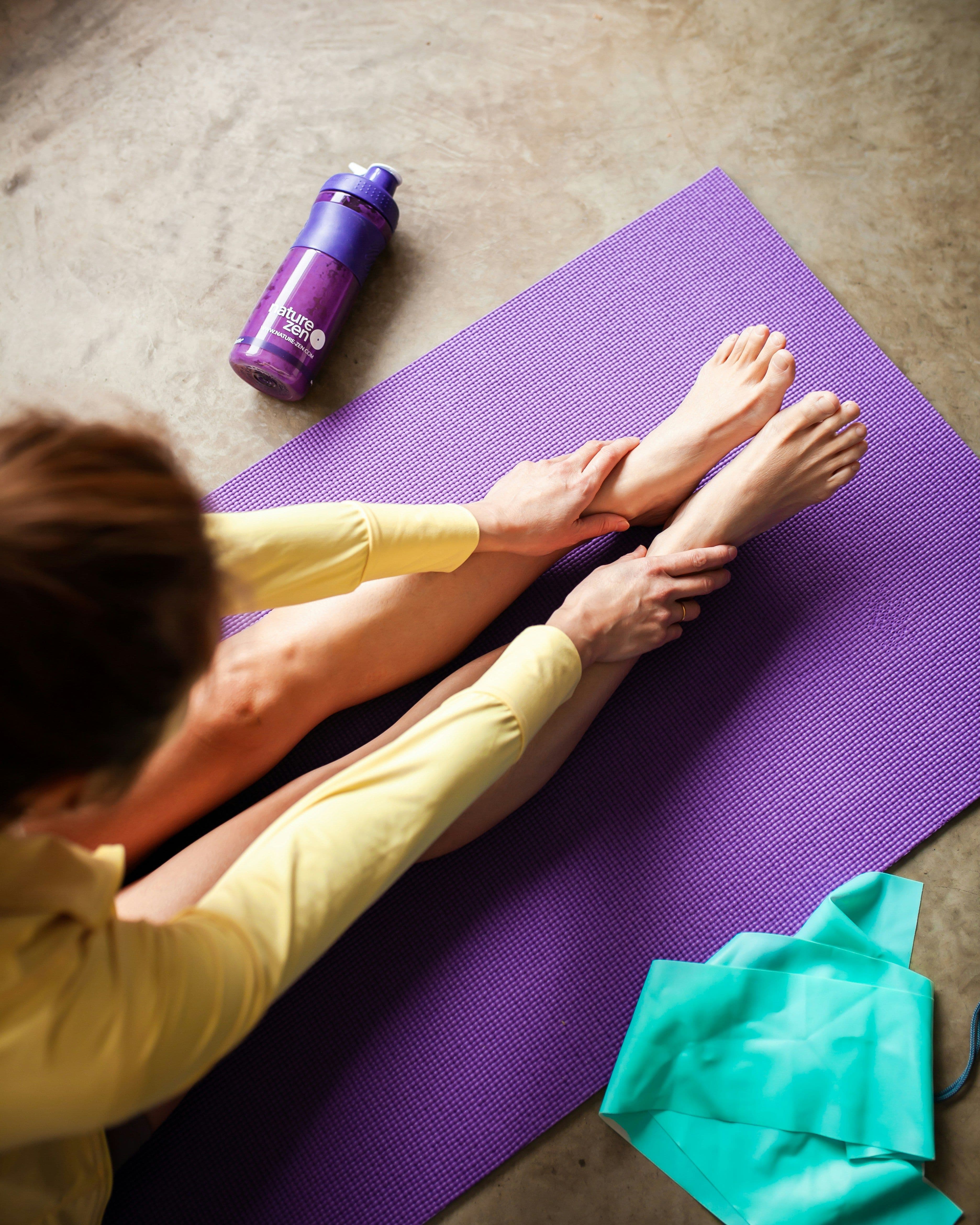
Research shows that 2.5 hours of physical activity a weekopens in new tab can help you stay healthy for longer with Parkinson’s.
That doesn’t mean you need to be pumping weights in the gym and sprinting on the treadmill three times a week. Your physical activity could come from walking the dog, joining a walking football club, attending an online Pilates class, or something entirely different. As long as you’re constantly challenging yourself, how you exercise depends on what you enjoy and what fits your lifestyle best.
There are several ways that technology can help you stay fit when you have Parkinson’s. Keep reading to learn how tech can help you reach your fitness goals.
Virtual exercise classes
If you can’t get out to your local gym or community centre to attend in-person exercise classes, online classes offer many of the same benefits from the comfort of your home.
We’ve reviewed several Parkinson’s-specific online fitness programmes on the Tech Guide, including Bounce Back Exercise, Neuro Heroes and Reach Your Peak. Some of them offer live classes by video, which means you can get real-time feedback from an instructor. Others have pre-recorded classes you can watch at your own pace and at a time that suits you. Websites like these also offer a range of different classes, such as Pilates, dance and high-intensity circuit training.
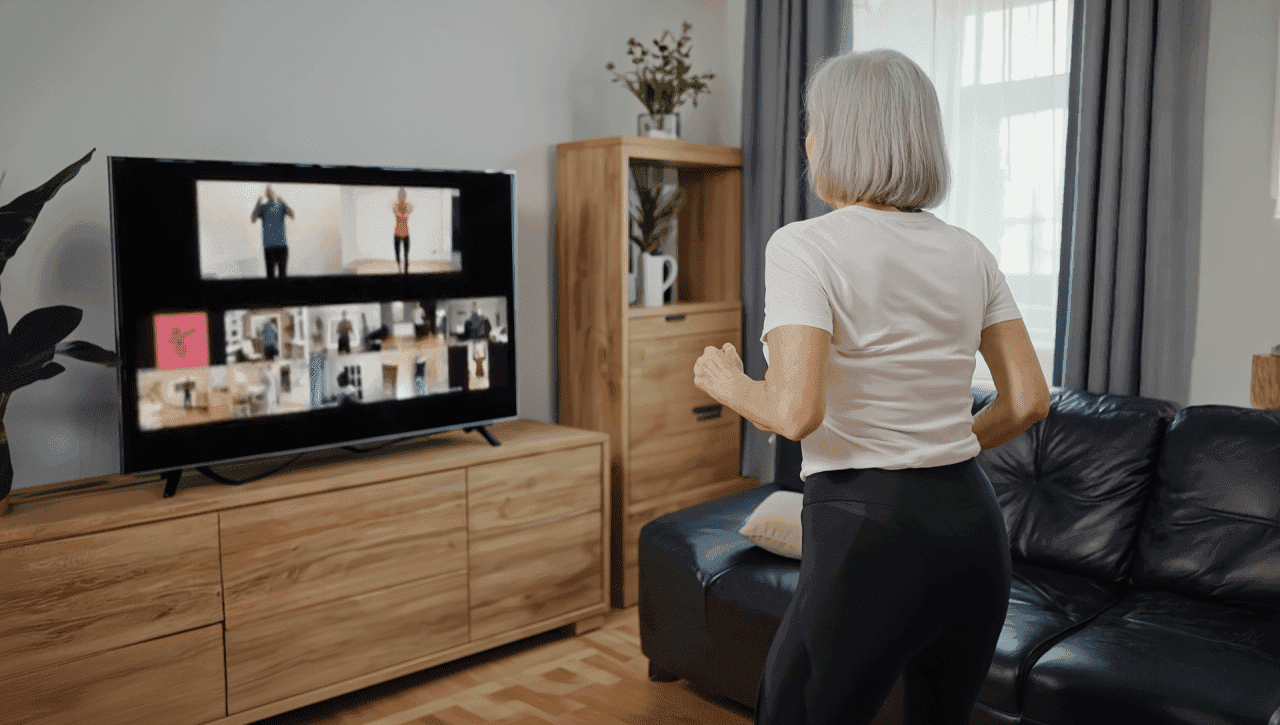
These classes are a great way to get fit from home, especially if you’re unsure where to start and would benefit from group support and instructor feedback. Reach Your Peak, in particular, offers a 10-week Get Started class for those new to exercise. For those seeking further group support and motivation, Bounce Back Exercise runs an optional WhatsApp chat where you can chat with other participants.
There are also plenty of fantastic exercise videos on YouTube for those looking for free workout routines and tips, though not all may be suitable for people with Parkinson’s. We’d recommend keeping a chair nearby so you have something to reach for if you find yourself feeling unsteady on your feet.
Smartwatches and fitness trackers
Wearing a smartwatch or fitness tracker can be a convenient way to ensure you’re getting your daily steps in and track your workouts automatically. These are wrist-worn devices that connect to your phone to help monitor your health and workouts.
Some watches can also measure your vitals, giving you more information that can be shared with your healthcare provider. These could include your:
- Heart rate
- Respiratory rate
- Blood oxygen level
- Wrist temperature
- Sleep stages
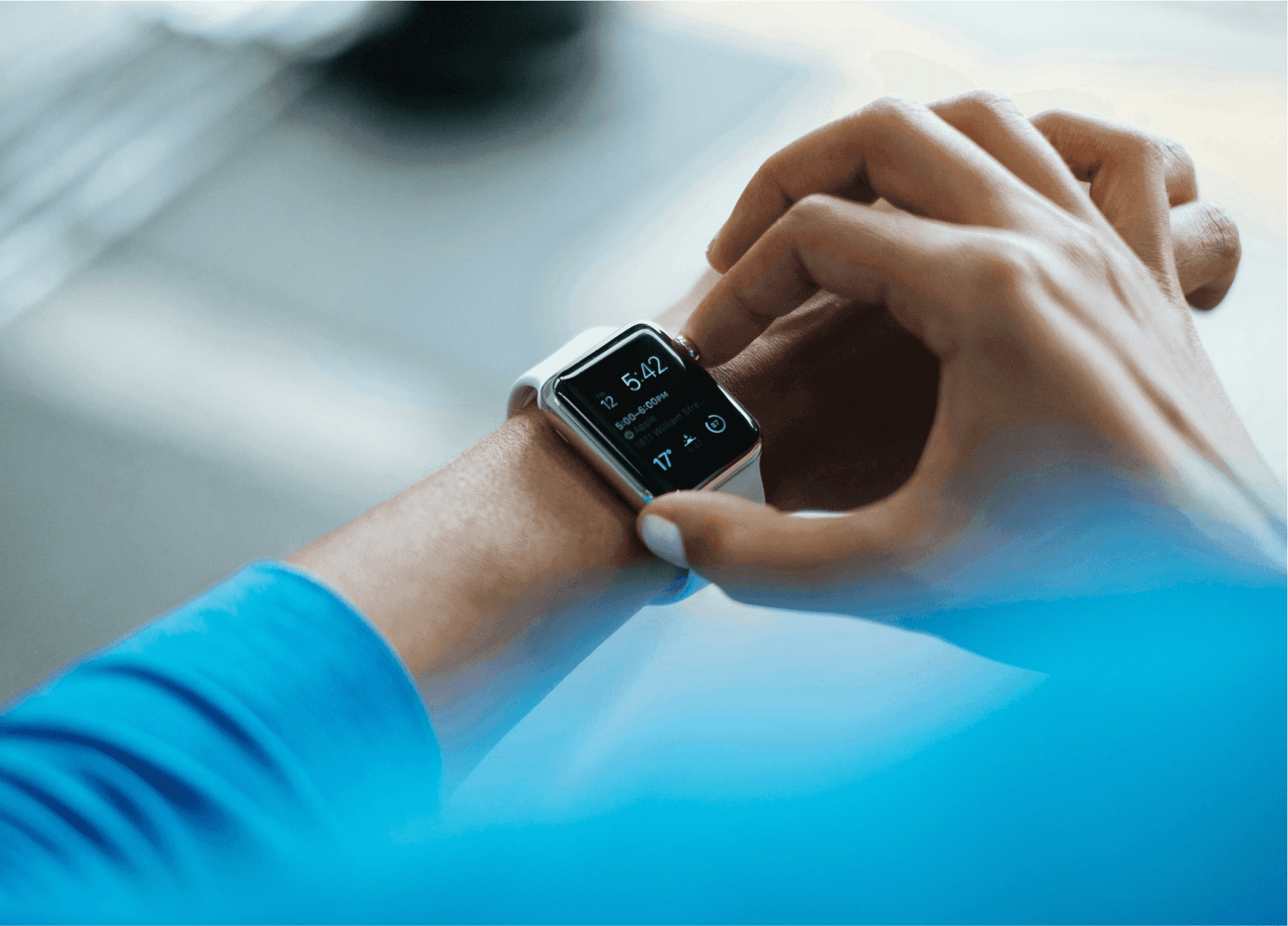
Smartwatches can also receive messages and app notifications, meaning you can receive medication reminders without having to look at your phone.
Of course, the exact features you get depend on the watch you buy, so make sure to do your research before picking one out. Technology review sites like Which?, Trusted Reviews, Expert Reviews, TechRadar and Tom’s Guide can be good places to start for device reviews and comparisons.
Exercise tracking apps
It can be difficult to stay motivated if it doesn’t feel like you’re making any progress, which is why exercise tracking apps can be really helpful.
Apps like Apple Health on the iPhone, Google Fit on Android and Samsung Health on Samsung phones allow you to track your daily steps, workouts and measurements without downloading any additional apps. They can automatically sync with your smartwatch or fitness tracker (if you have one) to collect data such as your heart rate and blood oxygen level. All of this makes it easier to monitor your own progress at home.
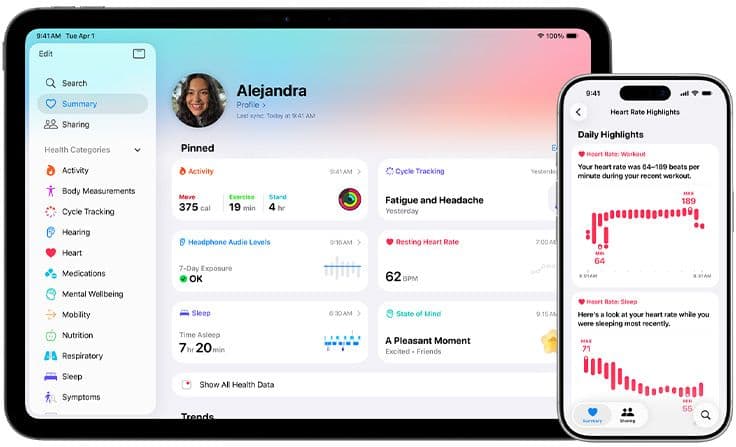
There are also plenty of third-party exercise apps to choose from in app stores, many of which offer even deeper insights into your workouts.
Help with walking
Since 2018, Public Health England has recommended that all adults try to complete a brisk 10-minute walk every dayopens in new tab. This can “get your heart pumping, improve your mood and lower the risk of serious health issues”, said then-Medical Director Professor Paul Cosford.
However, for people with Parkinson’s, symptoms like freezing of gait can make a 10-minute walk easier said than done. The good news is that there are apps and devices designed to help you improve your gait.
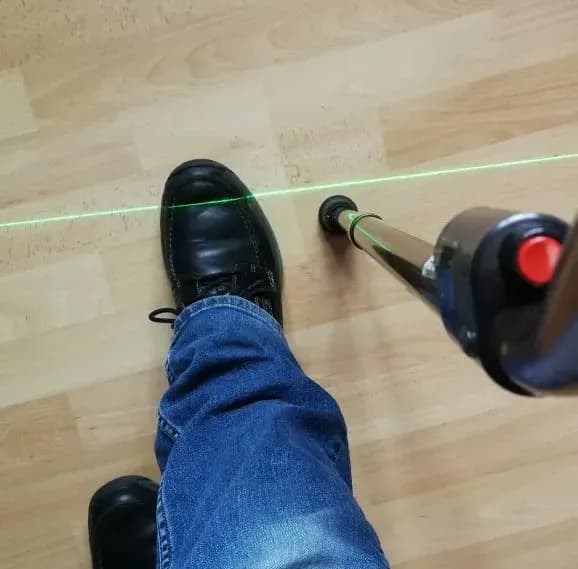
Cueing is a technology that can be especially helpful in breaking a freeze. Examples of cueing apps and devices include:
- Walking Tall – A gait re-training app that uses audio queues to help you break out of a freeze.
- Path Finder – A laser cueing device that projects a straight line as a visual queue.
- LaserCane – Another laser cueing device that projects a straight line as a visual queue.
- StrydAR Parkinson’s Walking Glasses – An Augmented Reality (AR) device that projects a hologram into your peripheral vision as a visual cue.
These apps and devices can help you walk more confidently, making it easier to get your daily steps in.
Virtual Reality
One of the more unique ways that tech can help you stay fit is by letting you walk around new places without having to leave the comfort of your home.
Using a virtual reality (VR) headset lets you see, hear and move around in a new environment. This could be seeing a 360-degree view of the Himalayas from the top of Mount Everest, watching a boxing match from a ringside seat, or taking part in a dance class, all without leaving your living room.
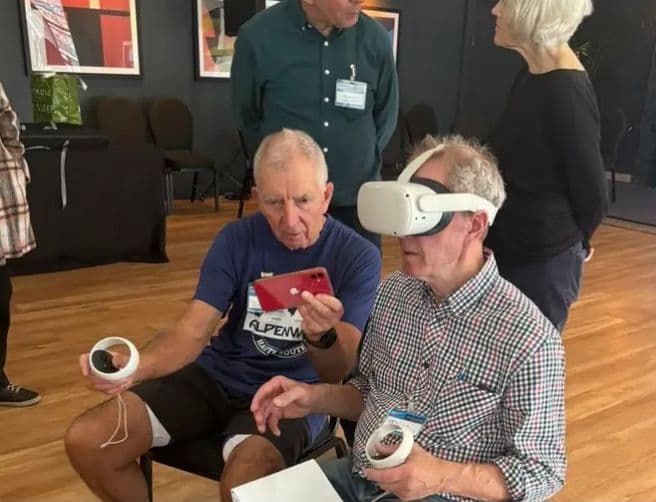
You can learn more about VR and Parkinson’s, including what equipment and games are available and how to get started, by reading ‘Can VR help with your Parkinson’s symptoms?’
To summarise, there are plenty of interesting ways you can use tech to work on your physical health and slow the progression of Parkinson’s symptoms. If you’re still unsure of where to start, visit the Tech Guide catalogue to discover an array of devices, apps and workout classes designed to help you stay fit with Parkinson’s.